
















Gluten Free Lasagna
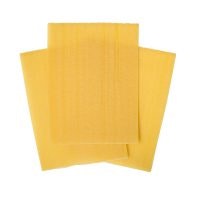
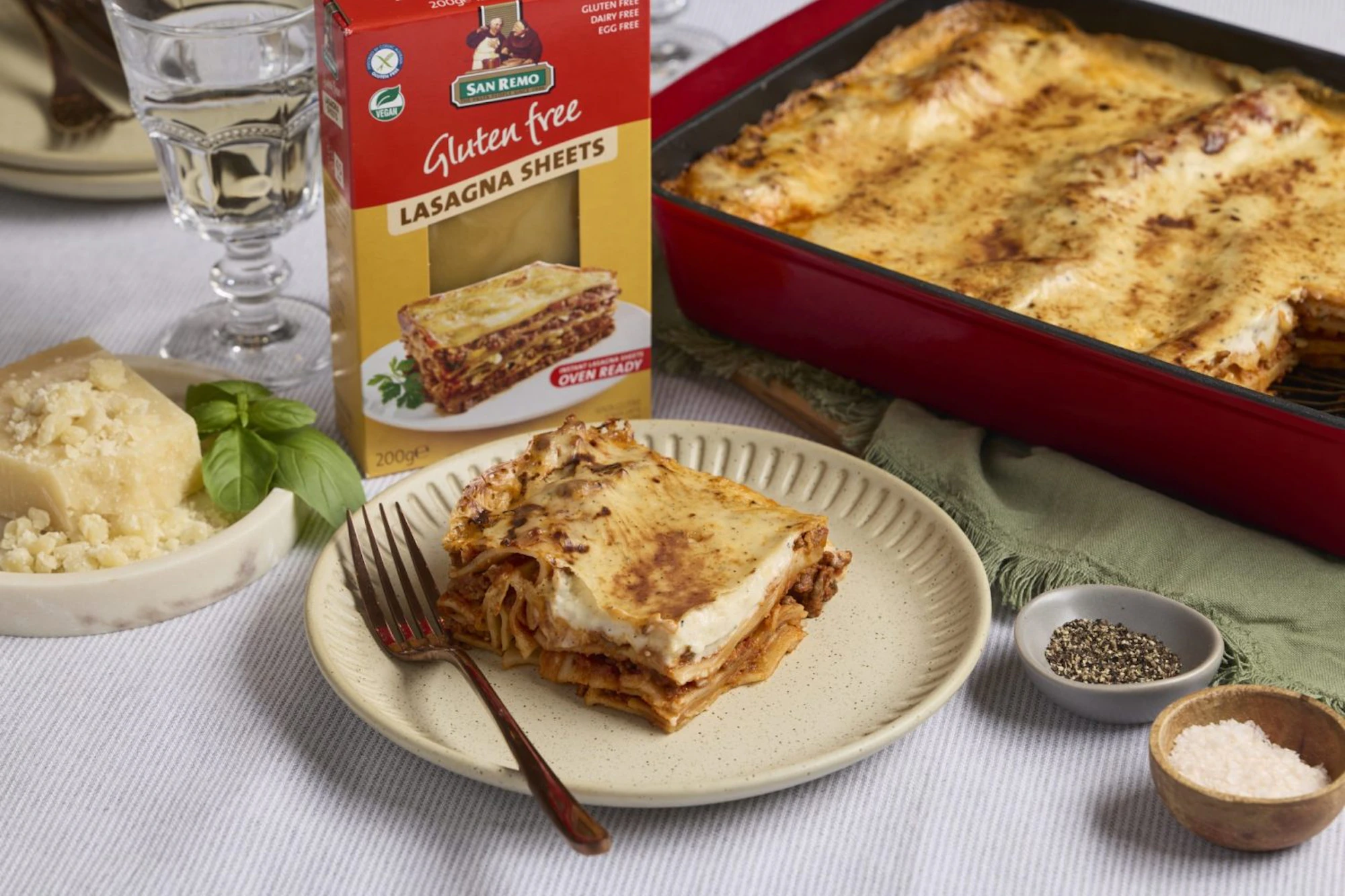
This recipe is 100% gluten free, made with San Remo Gluten Free Lasagna.
Lasagna is the dish everyone gathers around, and this one means nobody at the table misses out. This recipe by Leah Itsines layers San Remo Gluten Free Lasagna with a slow simmered beef ragu, mozzarella and parmesan, then finishes it with a silky, golden béchamel made with gluten free flour.
It takes about 15 minutes to prep and the oven does most of the rest. The recipe serves eight, so it’s built for family dinners and entertaining, and it tastes just as good reheated the next day.
Rich, cheesy and made for sharing, this gluten free lasagna is comfort food the whole table can enjoy. Explore the full San Remo gluten free pasta range.
This recipe is part of the San Remo gluten free pasta range.
-
prep time15minuti
-
cook time80minuti
-
serves8people
Ingredients
Béchamel
Method
-
Preheat the oven to 180°C. Heat the olive oil in a large, deep saucepan over medium heat. Add the onion, carrot, celery, garlic, chilli, cooking for 2–3 minutes or until softened and fragrant.
-
Add the beef mince, breaking it up with a spoon. Cook until browned and any excess liquid has evaporated.
-
Stir through the passata, water or stock, oregano, mustard powder, and basil. Season with salt and pepper. Reduce heat and simmer gently for 30 minutes to allow the flavours to develop.
-
Meanwhile, make the béchamel sauce. Melt the butter in a medium saucepan over medium heat. Add the flour and whisk continuously for 1–2 minutes until a smooth paste forms. Cook gently without allowing it to brown. Gradually pour in the warm milk, whisking constantly to ensure the sauce remains smooth. Continue whisking as it thickens, approximately 5–7 minutes, until it coats the back of a spoon.
-
Season with salt, pepper and nutmeg. If using, stir through the parmesan until melted and silky. Set aside until we’re ready to top!
-
To assemble, spread a thin layer of sauce over the base of a deep baking dish. Layer lasagna sheets over the sauce, followed by more sauce and a sprinkling of mozzarella. Continue layering sheets and sauce, alternating between mozzarella and parmesan with each layer.
-
Pour over béchamel. Cover with foil and bake for 35 minutes. Remove foil for the final 10 minutes if a golden top is desired. Allow to rest briefly before serving.
Tips & Tricks
- Cooking Tips: Check every packaged ingredient: The stock, passata and mustard powder all need to be gluten free. Read the labels before you start. Let the ragu simmer: Allow it to cook on low heat for a full 30 minutes. This gives the flavours time to deepen and thickens the sauce so your finished layers hold together beautifully. Warm the milk first: Adding warm milk to the butter and flour a little at a time keeps the béchamel smooth and lump free. Keep whisking: Gluten free flour can catch quickly. Whisk the béchamel the whole time it thickens, around five to seven minutes.
- Getting the Perfect Layers: Start with sauce: A thin layer of ragu on the base of the dish stops the first sheets from sticking. Alternate the cheeses: Switch between mozzarella and parmesan with each layer for a good melt and plenty of flavour all the way through. Cover, then uncover: Bake under foil for 35 minutes, then remove it for the final 10 minutes if you want a golden top. Rest before slicing: A short rest out of the oven helps the layers set, so each piece comes out clean.
- Common Mistakes to Avoid: Skimping on sauce: The lasagna sheets cook in the sauce, so make sure every sheet is well covered. Browning the roux: Cook the butter and flour gently. If it colours, the béchamel will taste nutty and look darker. Cutting too soon: Slicing the lasagna immediately after baking will cause the layers to slide apart. Allow it to rest for a few minutes so it sets properly.


